Lower Suwannee National Wildlife Refuge & Shell Mound
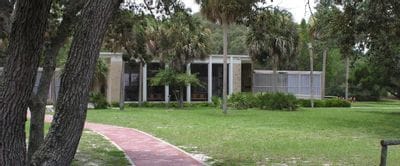
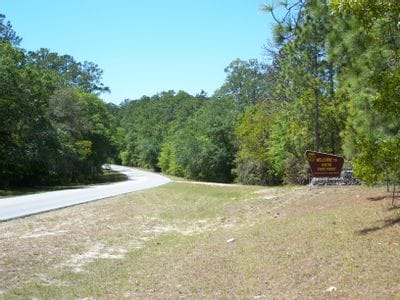
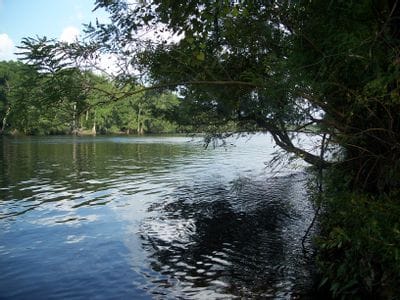
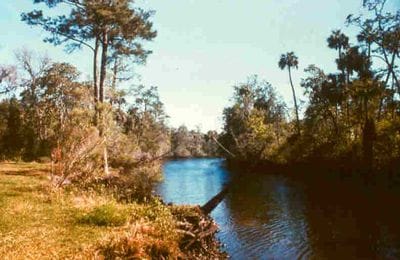
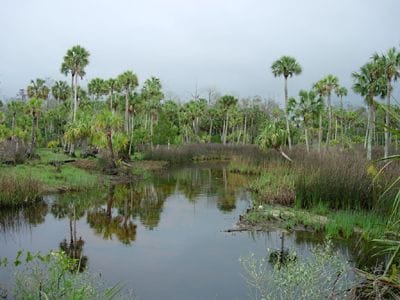
This is one of the easiest “wow, we are really in old Florida” trips from Cedar Key. Shell Mound gives you a short walk with big history, wide marsh views, and access to the wilder edge of the Lower Suwannee refuge.
Why it’s cool: You are standing near ancient shell works and tidal marsh habitat that feels far removed from the modern world, even though it is an easy drive from town.
Manatee Springs State Park
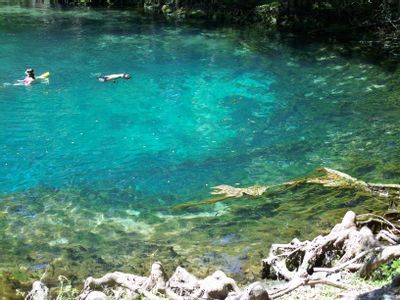
Manatee Springs is the Levy County day trip we recommend most often. The boardwalk through the cypress trees is beautiful, the spring water is clear and cool, and the park has enough trails and picnic spots to make it as short or as long as you want.
Why it’s cool: It is a first-magnitude spring with an 800-foot boardwalk and a direct connection to the Suwannee River—one of those places where the water, trees, and wildlife do most of the talking.
Devil’s Den Prehistoric Spring
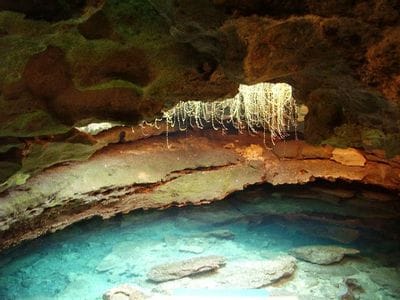
If someone in your group wants a story they can tell when they get home, send them here. Devil’s Den is an underground spring inside a prehistoric-looking dry cave. You descend into the earth, step onto a platform, and snorkel or dive in water that stays about 72 degrees year-round.
Why it’s cool: It does not look like a typical Florida spring. It feels more like you found a hidden cenote tucked into horse country.
Blue Grotto Dive Resort
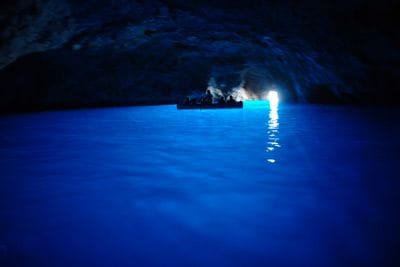
Blue Grotto is one of the best-known freshwater dive spots in the Williston area. It is more diver-focused than a casual swimming hole, but for certified divers it is a memorable clear-water cavern experience with facilities set up for training and dive days.
Why it’s cool: The water stays clear and cool, the site is built around the dive experience, and it pairs naturally with Devil’s Den or Cedar Lakes for a full Williston day trip.
Cedar Lakes Woods & Gardens
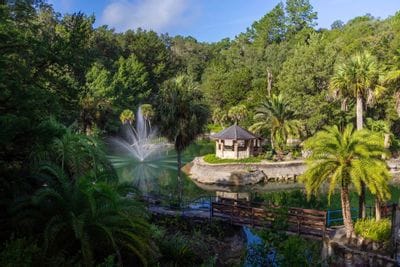
This one surprises people. Cedar Lakes began as an old limestone quarry and has been transformed into a 20-acre botanical garden with waterfalls, koi ponds, bridges, and winding paths. It is just down the road from Devil’s Den, so it makes an easy “above ground” companion stop.
Why it’s cool: It feels almost impossible that this much green, water, stone, and garden detail is tucked inside inland Levy County.
Cedar Key Scrub State Reserve
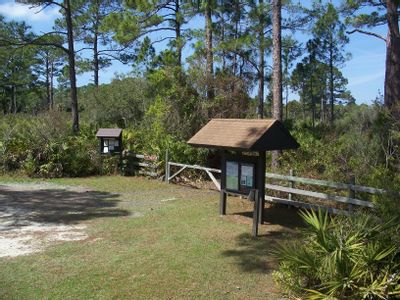
When you want a quick nature break without giving up your Cedar Key day, go here. The reserve sits just east of town and gives you sandy trails, pine flatwoods, scrub habitat, and a completely different feel from the waterfront.
Why it’s cool: In a few minutes you can go from island streets to rare Florida scrub habitat, with trails that feel quiet and wide open.
Waccasassa Bay Preserve State Park
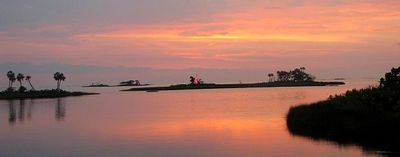
This is the wild side. Waccasassa Bay is accessible only by boat, with salt marsh, tidal creeks, oyster bars, and open Gulf sky between Cedar Key and Yankeetown. It is best for people who are comfortable on the water or who go with a knowledgeable local guide.
Why it’s cool: It is one of the places where Levy County still feels genuinely untamed—more tide, marsh grass, birds, and sky than anything built by people.
Nature Coast State Trail
Bring bikes if you have them. The Nature Coast State Trail follows old railroad corridors through small North Florida towns and gives you a paved, easygoing way to see a different side of the county.
Why it’s cool: It turns railroad history into a low-stress outdoor adventure, with access points around Chiefland, Fanning Springs, and nearby trail towns.
Goethe State Forest
Goethe is for visitors who want quiet trails, horseback riding country, and longleaf pine forest instead of a beach crowd. It is a big, spread-out forest, so pick a trailhead before you go and bring water.
Why it’s cool: It shows off inland Levy County: pine woods, sandy roads, equestrian trails, and the kind of quiet that is hard to manufacture.
Cedar Key Museum State Park
For a slower, close-to-town outing, stop by Cedar Key Museum State Park. It is small, easy to work into a Cedar Key day, and a good place to connect the island you are enjoying now with the people, industries, and naturalists who shaped it.
Why it’s cool: It gives context to the island—Native history, the old timber and railroad era, coastal life, and John Muir’s time in Cedar Key.